
Blog
The Economics of Water Bottles: Enhancing Work Efficiency Through Optimized Hydration

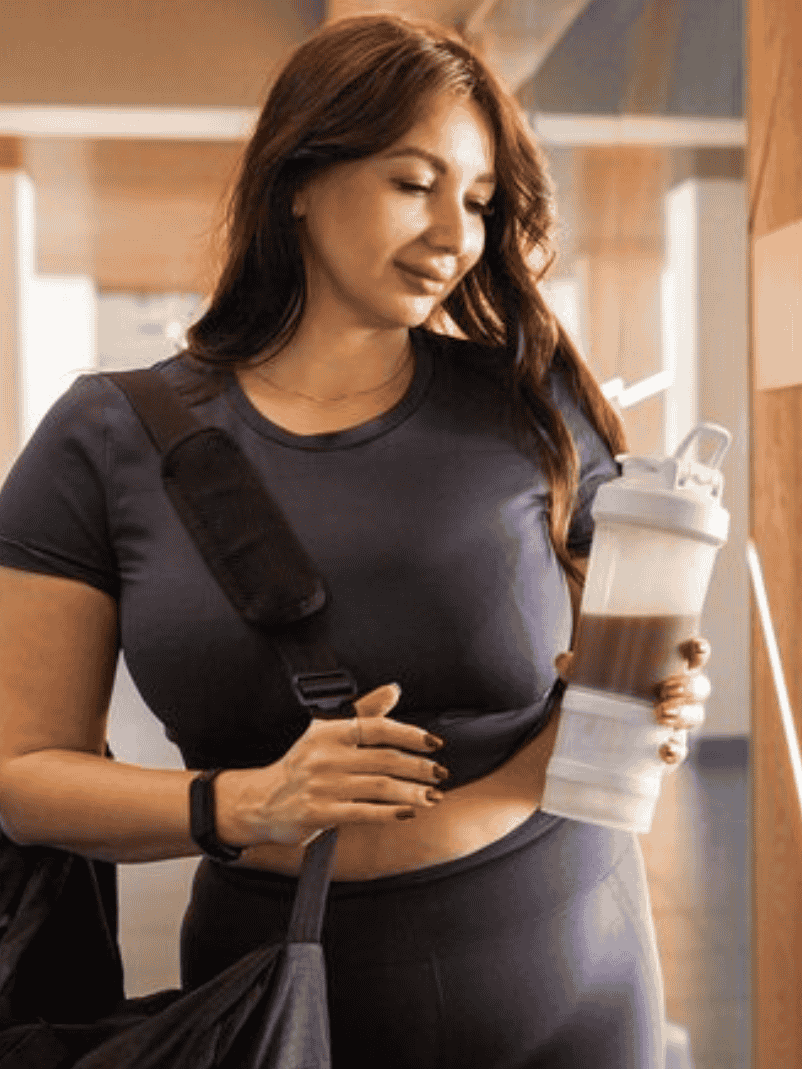
In the knowledge economy era, cognitive performance has become the most crucial productivity factor. Surprisingly, a simple water bottle choice can profoundly impact work efficiency. From time management to attention maintenance, decision quality to creativity exertion, scientific hydration habits—through the medium of water bottles—are becoming low-cost, high-return strategies for enhancing work performance.
A bottle’s capacity design directly affects work rhythm optimization. Choosing capacity matching personal needs minimizes refill trips while ensuring adequate hydration. This delicate balance reflects time management wisdom—too small cups cause frequent interruptions, disrupting deep work states; overly large cups might bring unnecessary physiological breaks from overconsumption. More ingeniously, the refilling act itself can serve as natural break intervals, applying the “Pomodoro Technique” principle from psychology to embed forced rests into workflows, thereby maintaining long-term cognitive effectiveness.
From a neuroscience perspective, regular hydration’s support for brain function is well-established. Mild dehydration alone can significantly reduce attention, short-term memory, and decision-making abilities. A bottle constantly within sight acts as a continuous visual reminder, helping establish stable hydration rhythms. And design details—like one-hand operation, spill-proof structures—further reduce the “operational cost” of drinking, making healthy behaviors easier to maintain. In this sense, water bottles are no longer just containers but become sophisticated feedback devices in personal efficiency systems, helping us build more sustainable and productive work lifestyles through the most natural physiological needs.