
Blog
Security Objects: Why We Develop Emotional Attachments to Specific Bottles

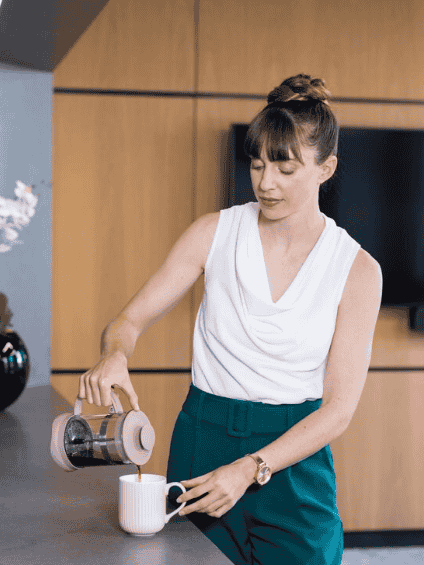
In materially abundant modern society, many people develop deep emotional connections to specific water bottles—behind this seemingly irrational attachment hides complex psychological mechanisms. That old thermos with chipped edges, or ceramic cup with faded patterns, has become for us not just practical tools but material incarnations of emotional support and psychological security.
Emotional attachment formation typically relates to several factors: familiarity reduces cognitive load, as using old bottles requires no adaptation to new features; conditioned reflexes associate bottles with relaxed states, strengthening this positive connection with each use; self-extension theory suggests we view possessions as self-extensions, with long-used bottles becoming personal history parts. Additionally, bottles often connect with significant others or special moments, becoming material triggers for emotional memories.
This emotional connection serves practical psychological regulation functions. In stressful situations, using familiar bottles provides comfort and stability, similar to children’s security blanket effects. When traveling with personal bottles, we create familiar “micro-environments” within unfamiliar settings, alleviating travel anxiety. Understanding these psychological mechanisms enables more conscious utilization of bottles’ emotional value—preserving predictable warmth and continuity for ourselves in this rapidly changing world.